Why Are Dog Noses Wet? (And Should You Worry About a Dry One?)
By Nose Print Co. ·
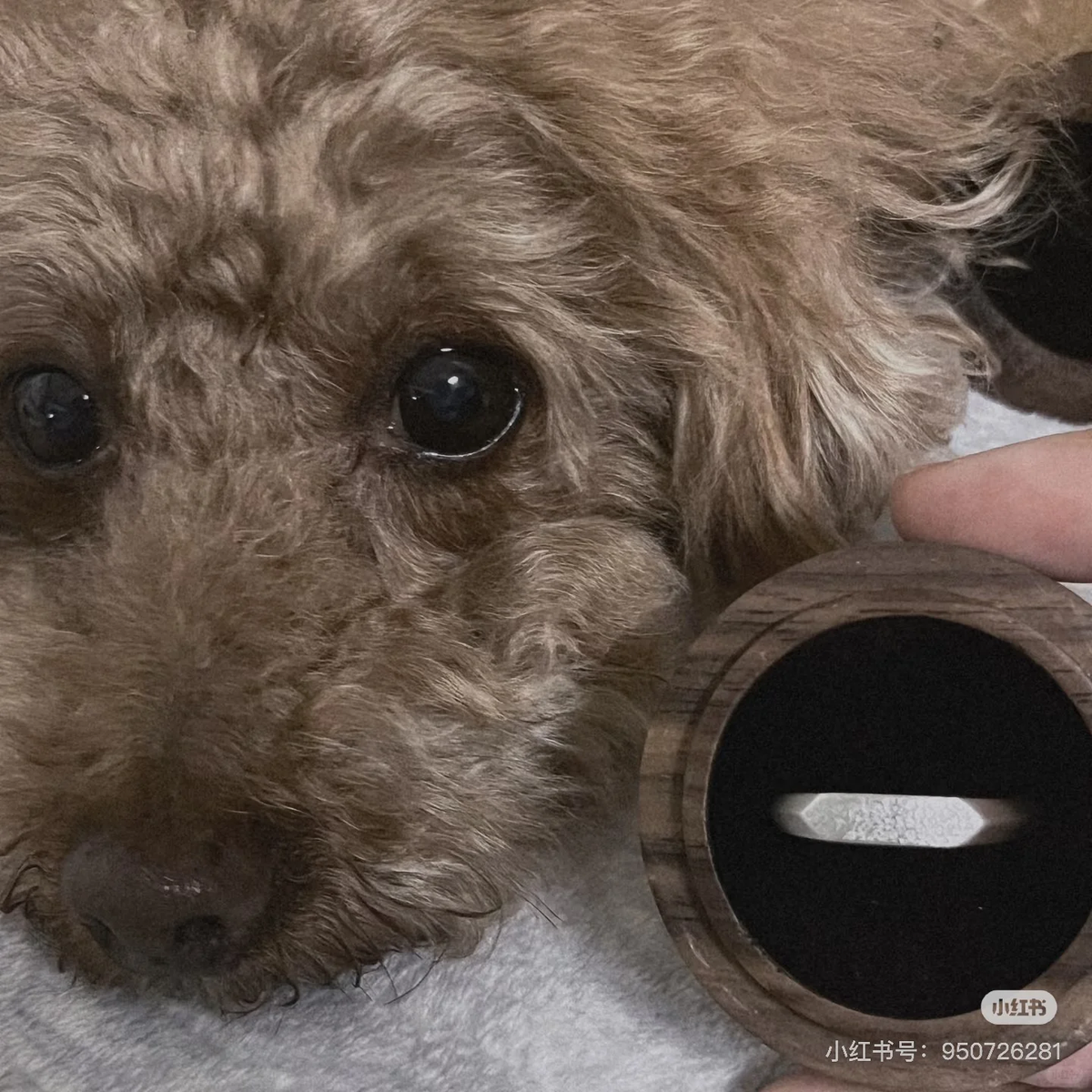
Dog noses are wet mainly because glands inside the nose produce a thin layer of mucus, and dogs lick their noses often, which helps scent particles stick and be smelled. A dry nose on its own is usually nothing to worry about; it's normal after sleeping or lying near warmth, and what matters more is whether your dog has other symptoms.
Why are dog noses wet?
According to VCA Animal Hospitals, a dog's nose stays moist in a few ways:
- Mucus. Special glands produce mucus that keeps the nasal passages moist.
- Licking. Dogs lick their noses regularly, which keeps the surface damp and clean.
- The environment. A nose spends a lot of time pushed into wet grass, puddles and water bowls.
It's all about scent
The main payoff is a better sense of smell. Scent particles stick better to a damp surface, which helps a dog collect and process smells. VCA notes that dogs have more than 100 million sensory receptor sites in the nasal cavity, compared with about 6 million in people. When your dog licks their nose, they're also bringing some of those scent particles into their mouth to be investigated further.
A cool nose may sense warmth too
There's an interesting extra. A 2020 study published in Scientific Reports found that the bare, moist skin at the tip of a dog's nose is usually cooler than the surrounding air, and that dogs could be trained to pick out a weakly warmed object from a distance. The researchers concluded that dogs can sense weak thermal radiation with their noses, though it was a small study and more work is needed.
The cold, wet nose myth
Many of us grew up hearing that a cold, wet nose means a healthy dog and a warm, dry nose means a sick one. It isn't that simple. The American Kennel Club points out that a hot, dry nose doesn't always mean trouble, and sick dogs can have wet noses too. Nose temperature and moisture on their own aren't a reliable way to tell if your dog is unwell.
Why is my dog's nose dry?
Plenty of everyday things can dry a nose out for a while:
- Sleep. Dogs don't lick their noses while they sleep, so it's common for a nose to be warm and dry after a nap. It usually goes back to normal soon after they wake up.
- Warmth. Lying by a heater, fireplace or in a sunny spot can dry the nose.
- Weather. Cold, wind and dry air can have the same effect as on our lips.
- Exercise. A healthy dog may have a dry nose after a hard play session.
- Age. Some dogs simply develop drier noses as they get older.
- Breed. Flat-faced breeds such as pugs can find it harder to lick their own noses.
When a dry nose is worth a vet visit
A dry nose becomes more significant when it changes in appearance or comes with other signs. Book a check-up with your vet if you notice:
- Cracking, crusting or flaking that doesn't settle, or a nose that bleeds
- Sores, redness or raw-looking patches
- Discharge that is thick, green or yellow, or tinged with blood
- A change in colour, such as a black nose turning patchy, grey or pink
- The nose losing its usual bumpy, cobblestone texture and becoming smooth
- Lethargy, vomiting, diarrhoea, or changes in appetite or activity alongside the dry nose
Some of these can point to problems such as allergies, sunburn, dehydration or skin conditions. For example, VCA describes how an autoimmune condition called discoid lupus erythematosus can cause loss of pigment and a smoother nose surface, and notes that sunlight appears to make it worse. Only a vet can work out what's going on, so if you're unsure, it's always fine to ask.
If your dog seems bright, is eating and drinking normally and the nose looks healthy apart from being a little dry, there's usually no cause for concern.
The pattern on your dog's nose
Next time your dog's nose is close to your face, look at the surface. Those small raised bumps and fine grooves form a pattern that is unique to each dog and stays the same throughout life, much like a fingerprint. We go into the research in are dog nose prints unique.
That moisture has a practical side if you ever want to capture the pattern. A very wet nose reflects light in photos and makes ink smudge, so a nose print is easiest to take when the nose is clean and lightly dry, for example after a gentle pat with a soft cloth. Our guide on how to take a dog nose print walks through both the photo and ink methods, and it's the same print we engrave onto our nose print jewellery.
In short
- Wet noses come from mucus, licking and sniffing around, and they help dogs smell.
- A dry nose after sleep, warmth or exercise is normal.
- Nose moisture alone isn't a health test.
- See your vet if the nose cracks, bleeds, develops sores or discharge, changes colour or texture, or your dog has other symptoms.
Quick answers
Why are dog noses wet?
Is a dry nose a sign my dog is sick?
When should I take my dog to the vet for a dry nose?
Should a dog's nose be wet or dry for a nose print?
Their nose, in sterling silver
Send us a clear photo and we trace the print by hand, email a proof, then engrave.


Pet Nose Print Bracelet
Hand-Engraved 925 Silver


Pet Nose Print Pendant
Single or Double-Sided 925 Silver


Cat Nose Print Ring
Hand-Engraved 925 Silver Keepsake


Dog Nose Print Ring
Hand-Engraved Personalised Keepsake