Does Sterling Silver Tarnish? (And What Platinum Plating Changes)
By Nose Print Co. ·
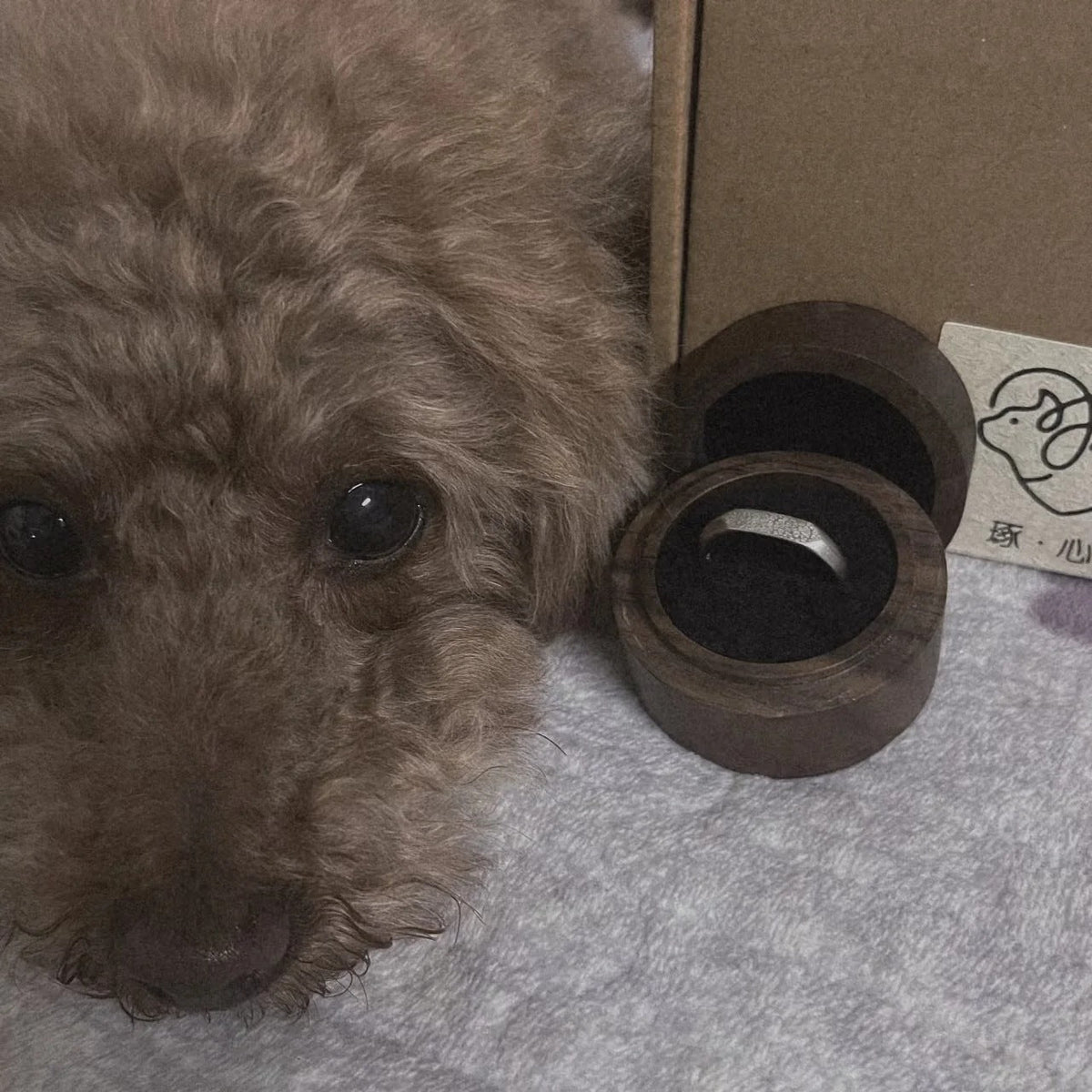
Yes, sterling silver tarnishes. Over time it reacts with sulphur compounds in the air and forms a thin dark film, but tarnish is a surface layer, not damage to the metal, and a plating such as rhodium or platinum slows it right down.
If your silver ring or bracelet has gone a little yellow, grey or dark, nothing is wrong with it. Here's what's happening, what speeds it up, and what plating changes.
What does 925 sterling silver mean?
Pure silver is too soft for most jewellery, so it's mixed with a small amount of other metal to make it stronger. Sterling silver is 92.5% silver and 7.5% other metals, usually copper. That's where the stamp "925" comes from: 925 parts per thousand are silver. GIA explains that the added metal is what makes sterling strong and durable enough to wear.
Why does sterling silver tarnish?
Tarnish is a chemical reaction. According to the Canadian Conservation Institute, the dark film on silver is mostly silver sulphide, which forms when silver reacts with sulphur-containing gases in the air, such as hydrogen sulphide. On sterling silver, the copper in the alloy reacts as well, which is why sterling tarnishes faster than pure silver.
It happens gradually. Silver usually turns faintly yellow or golden first, then brown, and eventually grey to black if it's left alone for a long time.
What makes silver tarnish faster?
- Humidity. Silver tarnishes faster as the air gets more humid. A steamy bathroom is one of the worst places to leave jewellery.
- Rubber. Rubber bands, rubber-backed mats and some storage items give off sulphur compounds.
- Wool and felt. Both contain sulphur, so a felt-lined box isn't always as kind to silver as it looks.
- Some foods. Eggs are a well-known culprit.
- Skin, lotions and perfume. Salts and oils from skin, plus cosmetics and sunscreen, can mark silver and add to the film.
- Chlorine and harsh chemicals. Take silver off before swimming pools, spas and household cleaning.
Many people find that silver they wear often stays brighter than silver left in a drawer, as gentle rubbing against skin and clothing tends to lift the early film before it builds up.
Is tarnish permanent?
No. Tarnish sits on the surface and can be removed with a silver polishing cloth or a gentle clean. Light tarnish usually comes off easily; heavy, dark tarnish takes more work. The one catch is that every polish removes a tiny amount of silver along with the tarnish, so the gentlest method that works is always the best choice. Our guide to cleaning sterling silver jewellery covers safe ways to do it at home.
Patina: when a little darkening is a good thing
On engraved or textured silver, some people like the darker tone that settles into the recesses. It's called a patina, and it makes fine detail stand out more clearly against the polished high points. Many people choose bare silver for exactly this reason: it changes with you and looks lived-in rather than brand new.
Our nose print bracelet in 925 Silver is one of these pieces. It develops a patina over time, which can deepen the look of the engraved nose print. If you'd rather keep it bright, a polishing cloth brings the shine back.
What rhodium and platinum plating change
Plating is a very thin layer of another metal bonded to the surface of the silver. Rhodium and platinum are both platinum-group metals that resist tarnish far better than silver. GIA notes that rhodium plating protects silver from tarnishing and gives it a bright, white shine.
What plating does:
- Slows tarnish. The plating sits between the silver and the air, so the sulphur reaction has much less to work on.
- Keeps a consistent bright white colour.
- Reduces maintenance. A wipe with a soft cloth is usually all it needs.
What plating doesn't do:
- It isn't permanent. Plating is thin, and it gradually wears where a piece rubs against skin and hard surfaces. On a ring, that's usually the underside of the band first. GIA describes occasional re-plating as normal for rhodium-plated white gold, and the same principle applies to plated silver.
- It doesn't make silver indestructible. Once the plating wears through in a spot, the silver underneath can tarnish there.
- It needs gentler cleaning. Abrasive polishes and dips can strip plating faster. The Canadian Conservation Institute warns that on plated silver, any tarnish removal method can be damaging.
Our platinum-plated 925 silver rings, bracelets and pendants work this way: a solid sterling silver piece with a platinum-plated finish. See our nose print rings for the plated options.
How to slow tarnish down
- Put jewellery on last, after lotion, perfume and sunscreen.
- Take it off for swimming, showering, cleaning and the gym.
- Store each piece in a small sealed bag or a closed box, away from bathroom humidity.
- Wipe it with a soft cloth after wearing to remove skin oils.
- Wear it. Regular wear plus a quick wipe keeps many pieces looking bright.
Quick answers
Does 925 sterling silver tarnish?
Can tarnish be removed from sterling silver?
Does platinum-plated silver tarnish?
Does wearing silver every day make it tarnish faster?
Their nose, in sterling silver
Send us a clear photo and we trace the print by hand, email a proof, then engrave.


Pet Nose Print Bracelet
Hand-Engraved 925 Silver


Pet Nose Print Pendant
Single or Double-Sided 925 Silver


Cat Nose Print Ring
Hand-Engraved 925 Silver Keepsake


Dog Nose Print Ring
Hand-Engraved Personalised Keepsake