How to Clean Sterling Silver Jewellery Safely at Home
By Nose Print Co. ·
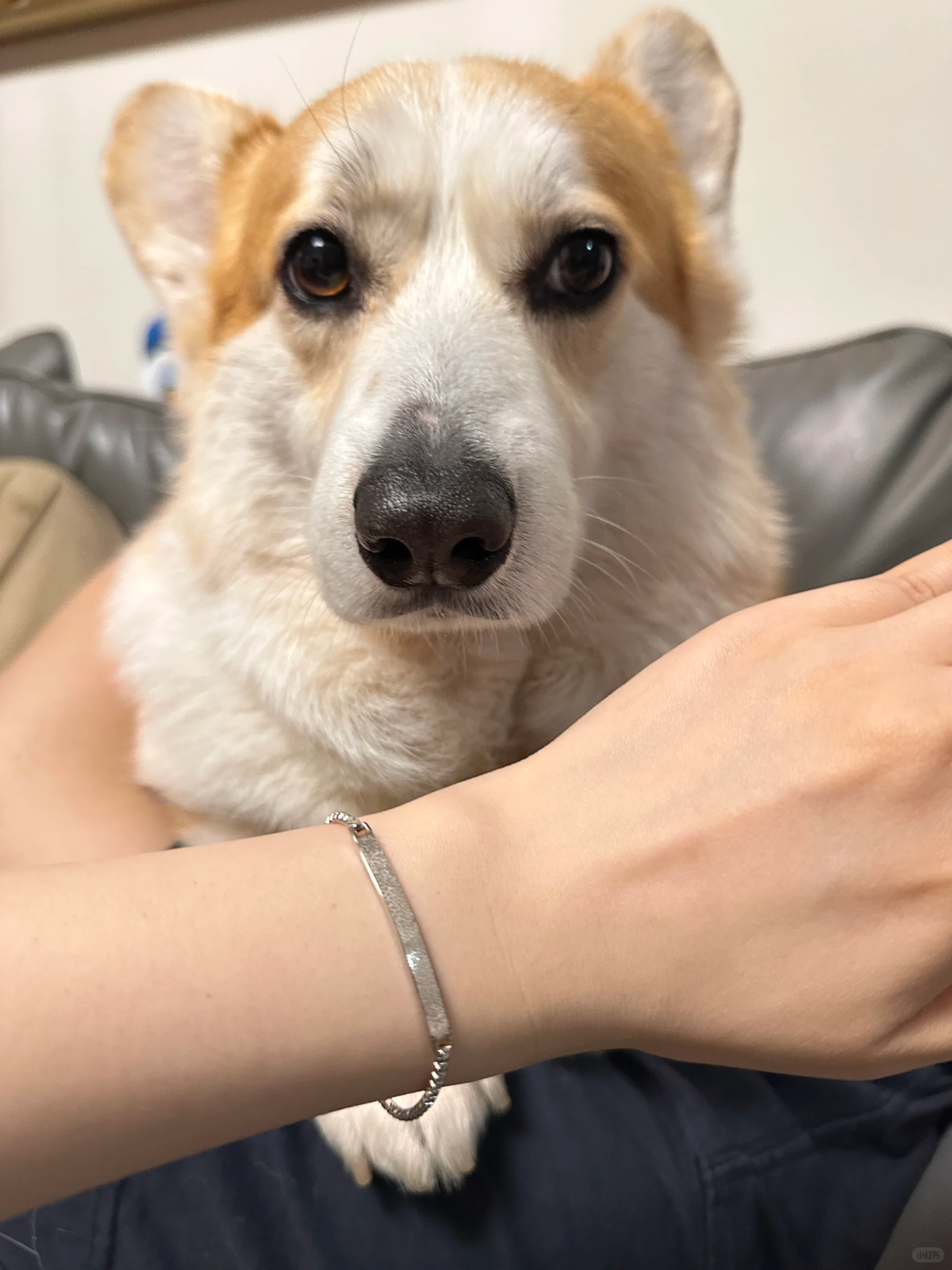
The safest way to clean sterling silver jewellery at home is to wash it in warm water with a drop of mild soap, dry it thoroughly with a soft cloth, then buff it gently with a silver polishing cloth. Skip toothpaste, baking soda pastes and harsh dips, especially on plated or engraved pieces.
Silver doesn't need aggressive cleaning to look good. Most dullness is a light film of skin oil, lotion and early tarnish, and that comes off with very little effort. Here's how to do it without damaging the finish.
Before you start: is it solid silver or plated?
This matters more than anything else. Bare sterling silver can handle a little more polishing. Plated silver, such as rhodium-plated or platinum-plated pieces, has a very thin surface layer that abrasive products can wear away. The Canadian Conservation Institute cautions that on plated silver, any method of tarnish removal may be damaging, so plated pieces should always get the gentlest treatment.
If you're not sure, check the product description or ask the seller. When in doubt, treat it as plated.
Method 1: mild soap and warm water
This is the first step for any piece, plated or not, and often the only one you need.
What you need
- A small bowl of warm (not hot) water
- A drop of mild, fragrance-free dishwashing liquid
- A very soft brush, such as a baby toothbrush (optional)
- A soft, lint-free cloth
Steps
- Soak briefly. Let the piece sit in the soapy water for a few minutes to loosen oils and grime.
- Clean gently. Rub with your fingertips or the soft brush. For engraved detail, work along the lines lightly rather than scrubbing across them.
- Rinse well. Rinse under clean warm water. Put the plug in the sink first.
- Dry completely. Pat dry with a soft cloth and leave it to air dry fully before storing. Moisture left in engraving or around a clasp encourages tarnish.
Method 2: a silver polishing cloth
For light tarnish, a silver polishing cloth is the gentlest effective option. The Canadian Conservation Institute notes that polishing cloths are most useful for buffing lightly tarnished silver because they contain less abrasive than liquid or paste polishes.
- Make sure the piece is clean and dry.
- Rub gently with the cloth, using straight back-and-forth strokes rather than circles.
- Turn the cloth to a clean section as it darkens.
- Finish with a soft, clean cloth to remove any residue.
On plated pieces, use only light pressure. A soft cloth is usually all a plated finish needs to look bright again.
Every Nose Print Co. piece arrives in its keepsake box with a polishing cloth. Keep it with your jewellery so a quick wipe after wearing becomes a habit.
What to avoid
- Toothpaste and baking soda pastes. These are popular home hacks, but they're abrasive. They can leave fine scratches on silver and wear through plating.
- General metal polishes. They're more abrasive than silver-specific polishes and remove more metal.
- Silver dips on plated or engraved pieces. Dips act quickly and can strip plating or change the look of engraved detail, including any darker patina in the lines that helps the design stand out.
- Bleach, chlorine and ammonia-based cleaners. These can discolour or damage silver.
- Ultrasonic cleaners at home, unless you're sure the piece and its finish are suitable.
- Paper towels and tissues. They can be surprisingly scratchy. Use a soft cloth instead.
Cleaning engraved jewellery
Engraved designs, like a pet's nose print, have fine lines and recesses that can collect soap, lotion and dust. A soft brush and warm soapy water will clean them without harm. Dry the piece carefully so no water sits in the engraving.
On bare silver, the recesses often darken more than the raised areas over time. That patina gives the engraving depth and contrast, so you may not want to polish it out. Our 925 Silver nose print bracelet develops a patina like this over time. Buffing just the high points with a polishing cloth brightens the piece while keeping the design crisp.
How to store silver to keep it clean longer
Good storage means less cleaning. The Canadian Conservation Institute recommends storing silver in sealed polyethylene bags, ideally with an anti-tarnish product or a sachet of silica gel inside. At home, that translates to:
- One piece per small zip-lock bag, with the air pressed out, so pieces don't scratch each other.
- A closed box or drawer, not an open dish on the bathroom bench.
- Away from humidity. Bathrooms are the worst spot for silver.
- Away from rubber bands and wool, which give off sulphur compounds that speed up tarnish.
- Anti-tarnish strips or a silica gel sachet in your jewellery box for extra protection.
Everyday habits that help
- Put jewellery on after moisturiser, perfume and sunscreen.
- Take it off for swimming, the beach, showering, cleaning and exercise.
- Give it a quick wipe with a soft cloth when you take it off.
- Wear it regularly. Silver that's worn often tends to tarnish less than silver left untouched.
Curious about why silver darkens in the first place? Read does sterling silver tarnish. And if you're choosing a piece, our nose print jewellery comes in 925 silver and platinum-plated 925 silver.
Quick answers
What is the safest way to clean sterling silver at home?
Can I clean silver with toothpaste?
How do I clean platinum-plated silver jewellery?
How should I store silver jewellery to prevent tarnish?
Their nose, in sterling silver
Send us a clear photo and we trace the print by hand, email a proof, then engrave.


Pet Nose Print Bracelet
Hand-Engraved 925 Silver


Pet Nose Print Pendant
Single or Double-Sided 925 Silver


Cat Nose Print Ring
Hand-Engraved 925 Silver Keepsake


Dog Nose Print Ring
Hand-Engraved Personalised Keepsake